


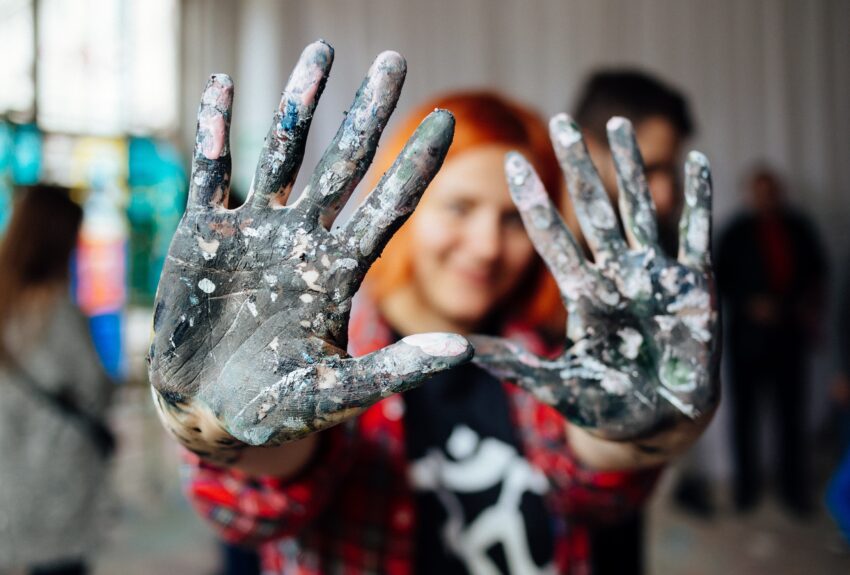
Art therapy is a powerful, evidence-based approach that uses creative expression to support mental health, emotional regulation and personal growth. Whether you’re a parent looking for ways to help your child express big feelings, a teen navigating stress or identity or an adult seeking healthier coping tools, art therapy activities can meet you where you are—no artistic skill required.
Below, we’ll explore what art therapy is, how it works and 15 practical art therapy activities for kids, teens and adults. If you’re looking for professional support, these approaches are often used within outpatient counseling and creative therapies offered through Citizen Advocates’ mental health services. These ideas are designed to be accessible, meaningful and adaptable for use at home, in schools or with the guidance of a trained therapist.
What Is Art Therapy?
Art therapy is a mental health practice that combines the creative process with psychological theory to support emotional well-being. Rather than focusing on artistic skill or aesthetics, art therapy emphasizes expression, exploration and meaning-making through art.
At its core, art therapy recognizes that not all thoughts and feelings can be easily put into words. Art provides an alternative form of communication—one that can be especially helpful for children, teens and adults processing stress, trauma, grief or major life transitions.
Through drawing, painting, sculpting or collage, individuals can explore internal experiences in a safe and supported way. The artwork itself becomes a starting point for reflection, insight and healing.
What Is the Core Principle of Art Therapy?
The foundation of art therapy is the belief that the creative process itself is therapeutic. Engaging with colors, textures, shapes and symbols can help regulate emotions, reduce stress and increase self-awareness.
Art functions as a form of non-verbal communication. For someone who struggles to articulate feelings—such as a child with limited emotional vocabulary or an adult overwhelmed by complex emotions—images can speak where words fall short.
A trained art therapist helps guide this process, offering prompts, holding emotional space and supporting reflection without judgment. Importantly, you do not need to be “good at art” to benefit. Art therapy is about authenticity, not talent.
How Does Art Therapy Differ from a Regular Art Class?
While both involve creativity, art therapy and art classes serve very different purposes. An art class typically focuses on technique, skill-building and producing a finished product. Success is often measured by aesthetics or mastery of a medium.
Art therapy, by contrast, focuses on expression, processing and insight. The artwork is not judged or graded. Instead, it’s viewed as a reflection of inner experience. The facilitator’s role is not to teach technique, but to support emotional exploration and healing.

15 Powerful Art Therapy Activities for All Ages
These activities are commonly used in therapy settings. Many are also incorporated into youth-focused programming and school-based services, making them adaptable for a wide range of ages and needs.
The following art therapy activities are designed to be flexible and inclusive. Many can be adapted for different ages, abilities and settings.
1. Safe Place Visualization
This activity invites participants to create an image of a real or imagined place where they feel calm, secure and relaxed. Watercolors, colored pencils or crayons work well.
Prompts may include: “Imagine a place where you feel completely safe,” or “What does calm look like for you?” The therapeutic goal is to create a visual anchor that can be revisited during moments of stress or anxiety. Reflect afterward by discussing what makes this place feel safe.
2. Collage and Vision Boards
Cutting and pasting images from magazines or personal photos helps process complex or conflicting emotions. A therapeutic collage often reflects current feelings, while a vision board focuses on hopes or values.
Ask questions like: “Which images stand out to you?” or “What do these pictures say about where you are right now?” This activity is accessible for all ages and does not require drawing skills.
3. Music-Guided Painting
Music-guided painting combines sound, movement and emotion. Choose instrumental, classical or ambient music and invite participants to let their hand move with the rhythm.
This art therapy activity is particularly effective for releasing pent-up energy, frustration or sadness. Prompts such as “Use color to match the mood of the music” help participants connect bodily sensations with emotional expression.
4. Clay Sculpting
Working with clay offers powerful sensory and tactile benefits. Squeezing, pounding and shaping clay can release physical tension and help regulate emotions.
Participants might sculpt a “worry monster,” an abstract feeling or a symbol of strength. Air-dry or modeling clay works well and is easy to use at home or in therapy sessions.
5. Mandala Drawing
Mandalas are circular designs associated with mindfulness and balance. The repetitive patterns encourage a meditative state and help calm the nervous system.
Using markers, pens or pre-printed templates, participants can explore color choices as a form of emotional expression. Mandala drawing is especially helpful for anxiety and stress management.
6. Emotions Wheel Creation
An emotions wheel helps build emotional vocabulary, particularly for children and teens. Basic emotions are placed in the center, with related feelings branching outward.
Large paper and bright markers make this activity engaging and interactive. The completed wheel can be used as a communication tool during conversations about feelings.
7. Mindful Doodling and Zentangle
Unlike mindless scribbling, mindful doodling involves intentional, repetitive patterns. The Zentangle method uses structured strokes to anchor attention in the present moment.
This art therapy activity supports relaxation, focus and emotional regulation. Simple patterns are accessible even for those who feel intimidated by art.
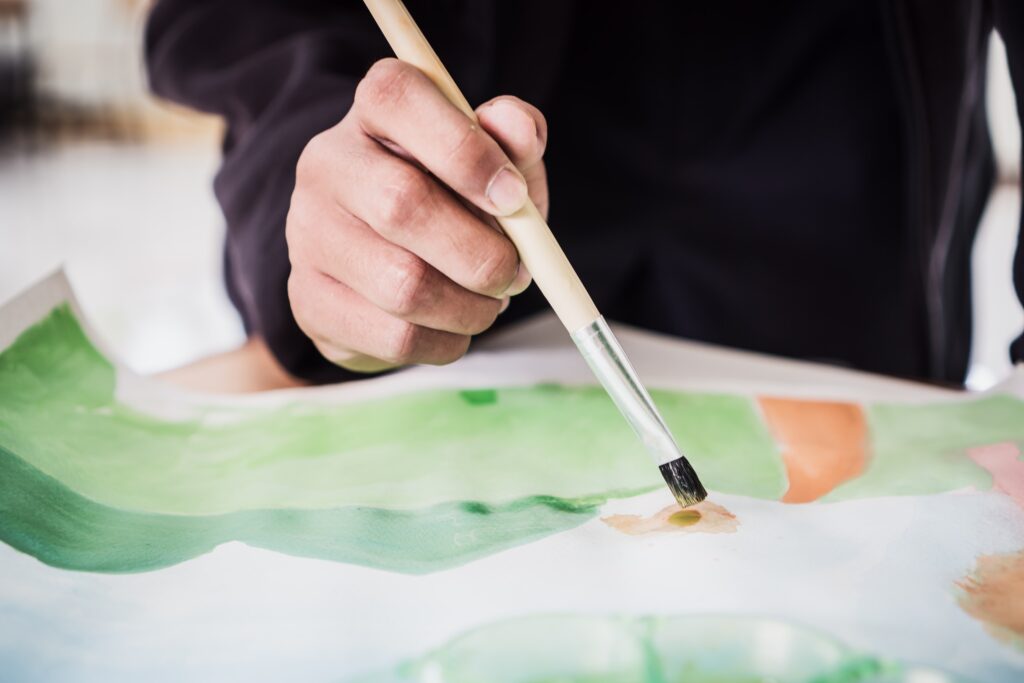
8. Self-Portrait Exploration
Self-portraits don’t need to be realistic. Abstract, symbolic or “inside vs. outside” portraits often lead to deeper self-reflection.
Prompts like “Use colors to show your personality” or “What symbols represent your strengths?” can be powerful. This activity works best in a non-judgmental, supportive environment.
9. Art Journaling
Art journaling blends visual art with reflection. Unlike a traditional diary, there are no rules about grammar, spelling or structure.
Daily prompts such as “Draw your day in three symbols” or “Create a background that matches your mood” help maintain consistency. Mixed media encourages experimentation and self-expression.
10. Mask Making
Masks symbolize the contrast between our inner world and the face we show others. Using pre-made masks, paint and collage materials, participants decorate the outside and inside differently.
Reflection questions might include: “What does the outside of your mask say?” and “What does the inside protect?” This activity can foster insight and emotional awareness.
11. Nature-Based Art
Nature-based art therapy encourages mindfulness and connection to the environment. Leaves, stones, twigs and flowers can be used to create mandalas, rubbings or sculptures.
This activity promotes grounding, observation and stress reduction, making it especially helpful for anxiety or burnout.
12. Comic Strip Storytelling
Creating a comic strip allows participants to externalize challenges and create narrative distance from difficult experiences.
Prompts such as “Create a superhero who overcomes your biggest challenge” are especially effective for kids and teens. This activity supports communication, problem-solving and emotional processing.
13. Memory Box Assembly
A memory box helps process grief, change or meaningful experiences. Participants decorate a box and place symbolic objects or written reflections inside.
The outside often represents what is shared publicly, while the inside holds personal meaning. This activity can be deeply validating.
14. Story Stones
Story stones are smooth rocks painted with simple symbols like a key, path or sun. These symbols can be used to create individual or collaborative stories.
This art therapy activity supports communication skills, creativity and emotional expression across age groups.
15. Body Tracing with Affirmations
Using large paper, participants trace a body outline or hand and fill it with positive affirmations, strengths or compliments.
Prompts such as “What are you proud of?” or “What do you appreciate about your body?” make this a powerful tool for self-worth and body image.
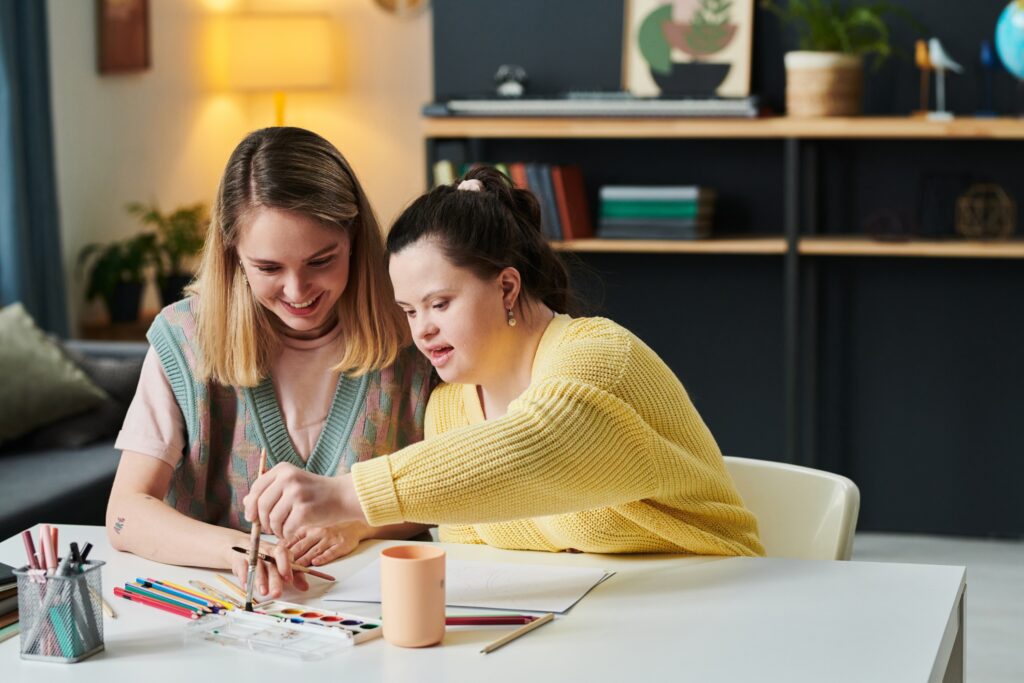
How Can You Prepare for an Art Therapy Session?
If you’re preparing for a first session with a therapist, this process is similar to what you might experience during mental health assessments and evaluations or tele-mental health visits—simple, supportive and focused on comfort and accessibility.
Preparing for art therapy doesn’t need to be complicated. Simple, low-cost supplies like paper, crayons and markers are often enough. More specialized materials—such as clay or watercolors—can add variety.
Creating a quiet, comfortable and judgment-free space is essential. Minimize distractions, consider soft lighting or background music and clearly communicate that the focus is on expression, not perfection.
Tips for Guiding Art Therapy Activities
Whether you’re a parent, educator or therapist, focus on the process rather than the final product. Ask open-ended questions like “Tell me about what you created” and practice active listening.
For teens, autonomy is key. Offering choice in materials and respecting resistance helps build trust. Connecting art therapy activities to their interests—music, storytelling or digital art—can increase engagement.
How to Integrate Art Therapy into Your Routine
Art therapy can also complement broader wellness efforts, including peer support programs and whole-person approaches to mental health that focus on long-term stability and connection.
Consistency matters more than session length. A 10-minute daily art journal or a weekly creative session can have meaningful benefits.
Habit stacking—linking art time to an existing routine—can help make art therapy sustainable. Treat creative time as a real appointment with yourself or your family.
Is Art Therapy Right for You?
Art therapy can be especially helpful when words aren’t enough, during periods of stress, anxiety, depression or life transitions. Children often use art to express feelings they can’t verbalize, while adults use it for stress management and self-discovery.
Families and groups can also benefit, as shared creative experiences improve communication and connection.
If you’re interested in exploring art therapy with professional support, Citizen Advocates offers a full range of mental health services for children, teens, adults and families—including youth services, depression screening and treatment, trauma-informed care such as EMDR and support for individuals navigating complex life challenges.
Click here to find the nearest clinic to you and contact us today.
Frequently Asked Questions
A trained art therapist provides clinical insight, emotional safety and therapeutic guidance that deepens the process.
There’s no right answer. Some people keep their art, others discard it as part of emotional release.
Yes. Different art therapy activities support different needs, and a therapist can help tailor the approach.
Art therapy offers a flexible, creative pathway to healing and self-discovery. Whether practiced independently or with professional support, it provides tools that can benefit people of all ages.
 Previous Post