


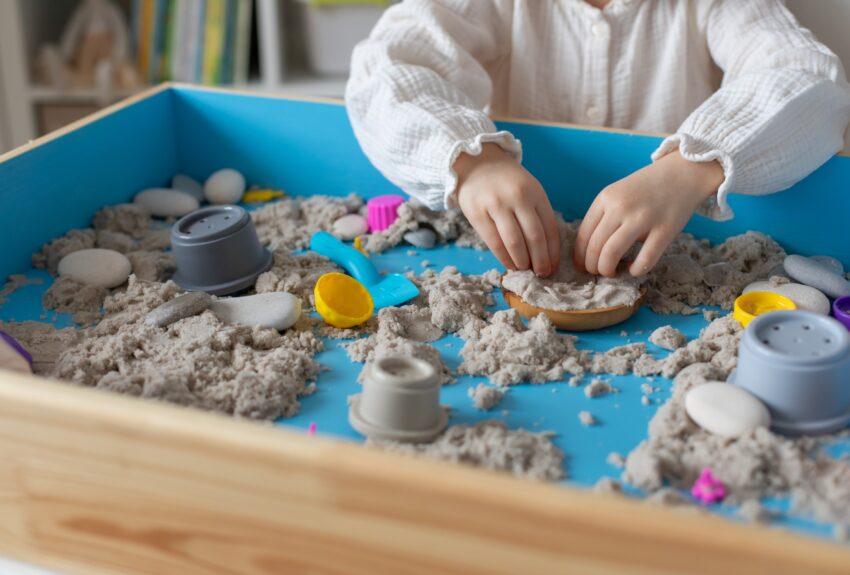
Play is powerful. For children and even adults, it’s one of the most natural ways to explore emotions, build skills and process experiences that are difficult to express in words. That’s why play therapy has become one of the most trusted and effective approaches in mental health care. It helps people understand their feelings, overcome challenges and develop healthier ways of coping.
This article breaks down what play therapy is, how it works and the wide range of benefits it offers—including for those dealing with trauma, ADHD, autism, anxiety, depression and more.
What Is Play Therapy?
Play Therapy is a specialized form of counseling or psychotherapy that uses play—a child’s natural language—to help them express thoughts and emotions they may not be able to communicate verbally. In play therapy, toys act as words, and the playroom becomes a safe environment where children can explore their experiences in ways that feel natural, engaging and non-threatening.
It is a structured, evidence-based and theoretically grounded approach. While it may look like “just playing,” every activity, toy and interaction is thoughtfully chosen to support emotional growth, healing and resilience.
A trained play therapist creates a caring, accepting environment where patients can explore difficult feelings while building trust, confidence and new skills.
Benefits of Play Therapy
Because it works through action and symbolic expression, play therapy can help individuals:
- Express emotions in healthier ways
- Improve communication skills
- Build self-esteem
- Develop problem-solving and coping strategies
- Navigate challenging life events
- Better understand relationships and boundaries

Benefits for Children
Children often struggle to articulate what they’re feeling. Play therapy gives them an expressive outlet and a therapeutic environment where they can work through emotions at their own pace. For more information about Youth Services offered by Citizen Advocates, click here.
1. Building Social and Emotional Skills
Through imaginative and structured play, children develop:
- Empathy
- Turn-taking and sharing
- Awareness of others’ feelings
- Flexibility and adaptability
These skills are essential for building healthy relationships and navigating social environments.
2. Emotional Regulation
Play therapy helps children identify, understand and express emotions like fear, anger, frustration and sadness. Over time, they learn healthier ways to cope with big feelings and stressful situations.
3. Support for Autism, ADHD and ODD
Play Therapy is particularly helpful for children with developmental or behavioral diagnoses:
- Autism: Supports communication, sensory exploration, and social engagement.
- ADHD: Helps improve impulse control, frustration tolerance, and attention skills.
- Oppositional Defiant Disorder (ODD): Provides a safe space to express anger and learn more constructive behaviors.
4. Processing Life Events
Children use play to work through:
- Divorce or family conflict
- The death of a loved one
- Hospitalization or medical procedures
- Moving, foster care or other major life transitions
These therapeutic sessions enable children to express fears and uncertainties they may not have the vocabulary to describe.
Benefits for Adults
Although play therapy is most commonly associated with children, it can also be a powerful tool for adults.
1. Healing Trauma
Non-verbal play techniques—such as sand tray therapy, creative arts and guided imagery—allow adults to safely explore memories and emotions tied to trauma. These approaches help individuals express experiences that are too overwhelming to put into words.
2. Support for Intellectual & Developmental Disabilities
For adults with developmental disabilities, play-based approaches provide avenues for expression, communication, sensory exploration and emotional understanding.
3. Self-Discovery and Stress Relief
Adults benefit from reconnecting with creativity, imagination and expressive arts. This can reduce stress, improve emotional awareness and promote healing.
4. Strengthening Family Dynamics
Play can improve communication, reduce conflict and help families develop healthier patterns of interaction through guided activities and shared experiences.

How Play Therapy Works
Every play therapy session is carefully designed to support emotional safety and therapeutic growth.
The process typically involves:
- A warm, structured environment with carefully selected toys and materials
- A therapist who builds trust and helps the patient explore their feelings
- Activities that allow for self-expression, reflection and skill-building
Play Therapy can be directive (therapist-guided) or non-directive (patient-led), depending on the child’s needs and the therapist’s approach.
The 5 Stages of Play Therapy
Play Therapy often follows a progression of stages as the individual builds trust and begins to work through their challenges.
1. Intake / Initial Stage
The therapist meets with the patient (and often their caregivers) to gather background information, discuss concerns and begin establishing rapport.
2. Exploratory Stage
The patient becomes familiar with the playroom and begins testing boundaries as they learn what to expect in therapy.
3. Working-Through Stage
This is where deeper healing occurs. The patient uses play to express feelings, explore conflicts and address traumatic experiences.
4. Resolution Stage
Patients start showing positive changes—improved mood, healthier relationships, better coping skills and decreased symptoms.
5. Termination Stage
The therapist and patient prepare for the end of therapy, reflect on progress and say goodbye in a positive, empowering way.
For more information about youth services offered by Citizen Advocates, click here. And please click here to find the nearest Citizen Advocates clinic to you.
Frequently Asked Questions
Parents may participate in intake appointments, receive ongoing updates and join periodic check-ins. Some therapists include family sessions when appropriate.
Look for improvements in behavior, communication, mood, coping skills and relationships.
Play at home is important—but play therapy is guided by a trained professional who understands how to interpret play, respond therapeutically and help patients grow.
Keep it simple. Say something like:
“You’re going to meet a helper who has a room with toys where you can play and talk about your feelings.”
 Previous Post